
Advertisement
You have a preview view of this article while we are checking your access. When we have confirmed access, the full article content will load.
The U.S. Started the War. The Rest of the World Is Feeling the Effects.
In just eight weeks, much of the global economy has been knocked sideways. America has mostly been spared from the tumult.


By Patricia Cohen and Ben Casselman
Patricia Cohen is the global economics correspondent in London. Ben Casselman, the chief economics correspondent, is based in New York.
The fallout from two months of war in Iran is shuttering textile mills in India and Bangladesh, grounding airplanes in Ireland, Poland and Germany, and prompting energy rationing in Vietnam, South Korea and Thailand. The only country, it seems, that has been relatively spared from the economic chaos is the one that started the war: the United States.
While warning signs of a recession are flashing across countries in Asia and Europe, the United States is likely to outperform most of the world’s advanced economies. Growth is steady and unemployment low. “It’s still hard to bet against the U.S. economy,” the Royal Bank of Canada said last week.
The United Arab Emirates, one of the world’s richest countries, with sovereign wealth funds that total more than $2 trillion, has asked the United States for a financial lifeline in the wake of missile-damaged gas fields and a halt to shipping in the Strait of Hormuz.
In just eight weeks — less time than it takes to age a traditional English fruitcake — the global economic outlook has been knocked sideways.
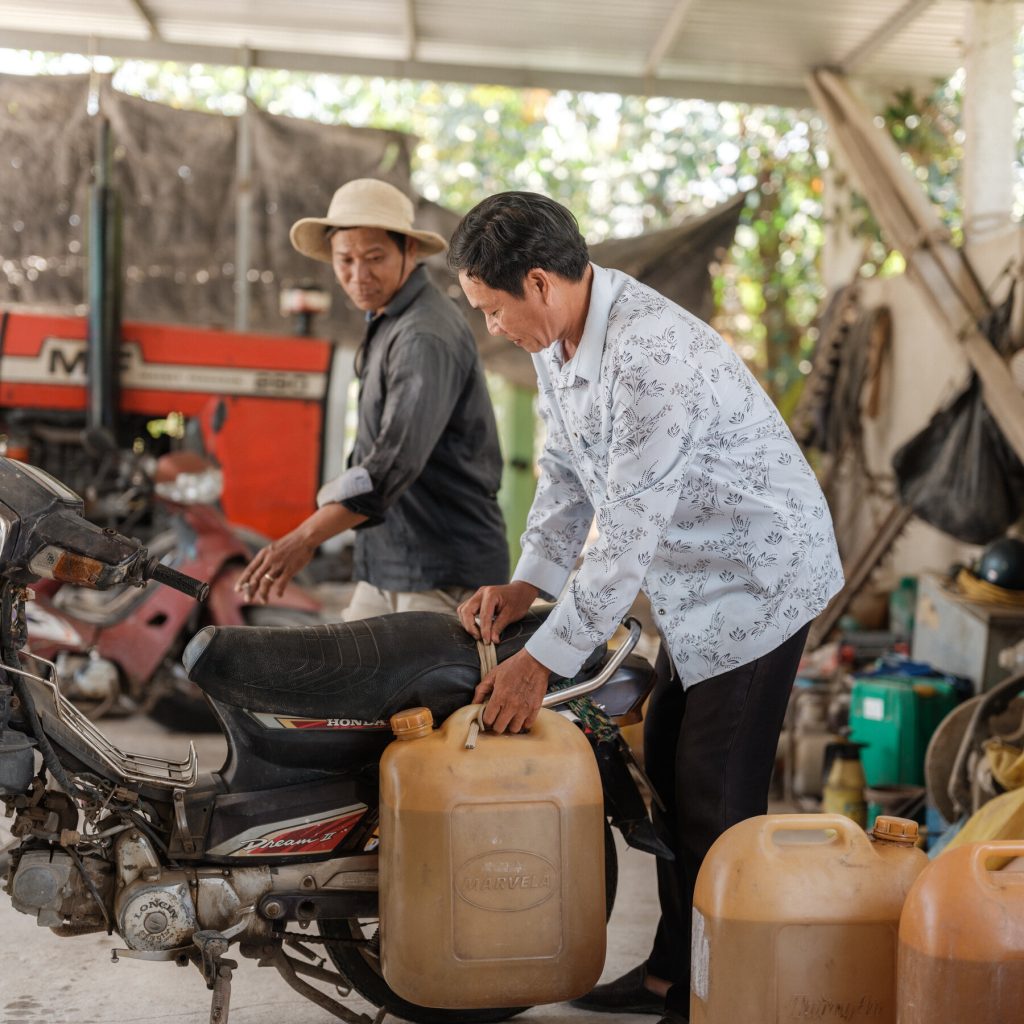
The worst economic pain will be felt in poor countries, where consumers cannot afford higher energy prices, and governments cannot afford to provide aid to offset the costs. And as financing tightens, the cost of desperately needed borrowing for these countries increases.
Image
Related Content
Advertisement