
You have a preview view of this article while we are checking your access. When we have confirmed access, the full article content will load.
China may have shipped missiles to Iran, and Beijing is allowing some companies to sell Tehran supplies that can be used in military production, American officials said.

American intelligence agencies have obtained information that China in recent weeks may have sent a shipment of shoulder-fired missiles to Iran for its conflict with the United States and Israel, according to U.S. officials.
The officials said that the intelligence is not definitive that the shipment has been sent, and that there is no evidence that the Chinese missiles have yet been used against American or Israeli forces during the conflict.
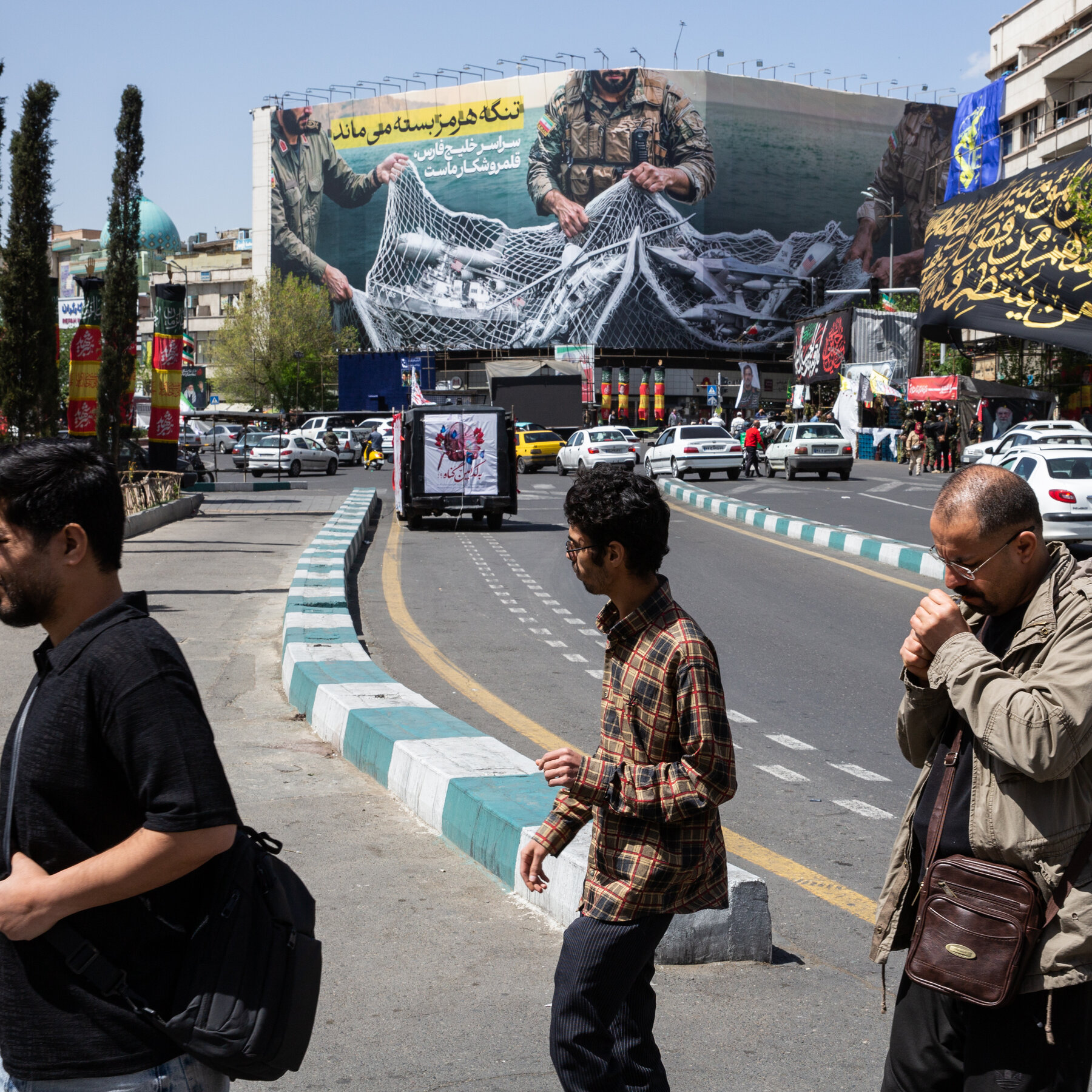
But even a debate in Beijing over sending missiles to Iran suggests the degree that China sees itself as having a stake in the conflict. Intelligence agencies have assessed that China is secretly taking an active stance in the war, allowing some companies to ship chemicals, fuel and components that can be used in military production to Iran for the war.
Shoulder fired missiles, known as MANPADS, are capable of shooting down low-flying aircraft.
China has long been reluctant to send finished military equipment to Iran, but some officials in the government want Beijing to allow its companies to directly supply the Iranian security forces during the conflict with the United States.
If the Chinese government did allow the shipment of missiles, it would be a significant escalation and an indication that at least some of China’s leaders are working actively to bring about an American military defeat in a war that has engulfed the Middle East.
The intelligence about possible Chinese support to Iran comes as American intelligence agencies have seen evidence that Russia has provided the Iranian military with specific satellite intelligence to help Iran’s Islamic Revolutionary Guards Corps target American ships, along with military and diplomatic installations throughout the Middle East.
Related Content
Advertisement